



Celebrating National Resident Doctor Appreciation Week
 Back to Search
This year we celebrate National Resident Doctor Appreciation Week during the week of February 19 – 13. This week is celebrated across Canada to highlight the commitment of medical residents.
At BCHS we see medical residents across several specialties from the Emergency Department and Pediatrics to General Surgery and ICU. We are also the home of the Brantford Indigenous Health Hub Family Medicine Residency Program which supports twelve family medicine residents across the Grand Erie Six Nations Clinical Education Campus.
Resident physicians play a vital role in patient care while training to become the next generation of doctors. Through long hours, deep learning, and meaningful patient relationships, resident doctors care for patients while learning within the communities they serve. These features recognize a few of our incredible resident doctors, and we thank them all for their commitment, growth, and service in strengthening our health system and communities.
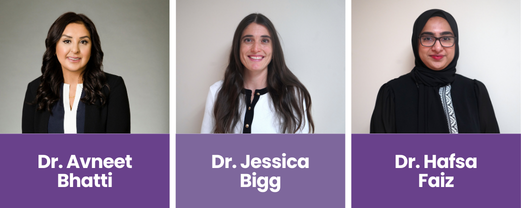
| Dr. Avneet Bhatti |
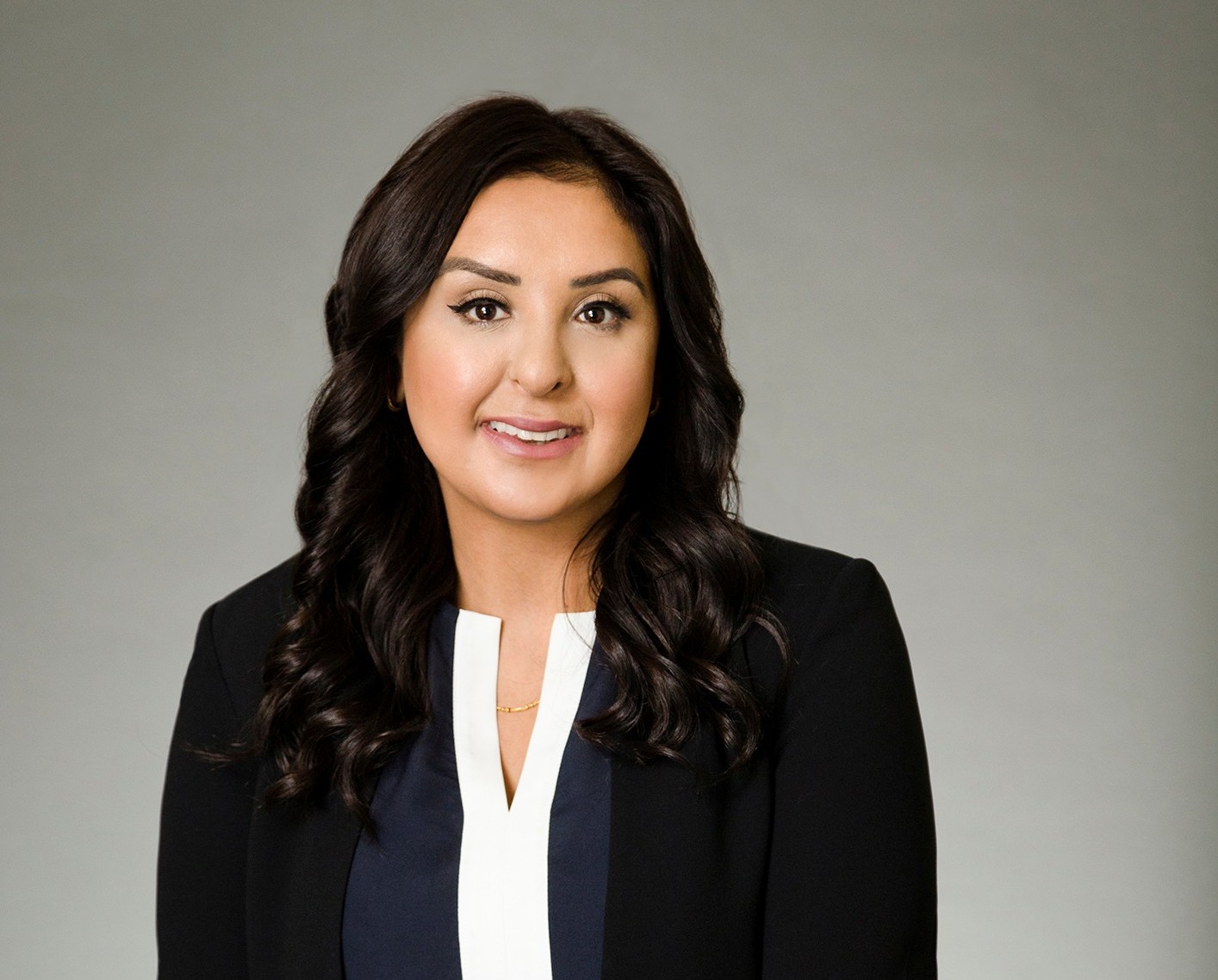 Born and raised in Surrey, BC, Dr. Avneet Bhatti is an international medical graduate who completed medical school in the Caribbean, followed by clinical rotations in Chicago. Now a Family Medicine resident in the Brantford Indigenous Health Hub (BIHH), Avneet sees her role not as someone who has all the answers, but as someone continually learning. “Residency is a time to be a sponge, absorbing everything from preceptors, nurses, social workers, and everyone around you,” she shares. “That’s how I approach my role: staying open, curious, and learning as much as I can every day.” Born and raised in Surrey, BC, Dr. Avneet Bhatti is an international medical graduate who completed medical school in the Caribbean, followed by clinical rotations in Chicago. Now a Family Medicine resident in the Brantford Indigenous Health Hub (BIHH), Avneet sees her role not as someone who has all the answers, but as someone continually learning. “Residency is a time to be a sponge, absorbing everything from preceptors, nurses, social workers, and everyone around you,” she shares. “That’s how I approach my role: staying open, curious, and learning as much as I can every day.”
Avneet’s path to medicine was guided by empathy and a desire for meaningful human connection. “I wanted a career where I could genuinely connect with people,” she explains. “The opportunity to care for patients across all stages of life made it a natural fit. From newborns to older adults, no two days are the same and the learning never really stops.” During a Family Medicine rotation, Avneet might perform a skin biopsy, do a joint injection, manage diabetes care, conduct a first prenatal visit or run a well-baby exam, it all depends on what the patient needs. “Sometimes the most important part of the work is simply listening and supporting patients through difficult moments,” she reflects. Although the constant rotation between services can be demanding, Avneet sees the shifting pace as a chance to build resilience and adapt to new challenges. This past year, Avneet is especially proud of her involvement with MAC Global alongside the demands of residency. While the workload is significant, Global Medicine is an area she’s deeply passionate about and committed to pursuing. She also credits BCHS for supporting resident growth through diverse electives and learning opportunities. “The administrative team has been incredibly responsive—they consistently work to find solutions and help facilitate learning opportunities,” she notes. For Avneet, impact doesn’t always come from big, dramatic moments. “Even small things can make a big difference for patients,” she says. “For me, making a difference often means being an advocate, supporting patients as they move through a complex healthcare system and helping connect them with the resources they need.” The most rewarding part, however, has been the people. From preceptors and co-residents to administrative staff and the broader care team, Avneet emphasizes the importance of a supportive environment. “There’s a real emphasis on creating a safe space for learning,” she says—an environment where asking questions and growing is encouraged. Outside of medicine, she has a love for history podcasts—an unexpected interest that speaks to her curiosity and appreciation for stories, context, and perspective. She makes time for things that help her recharge, such as getting movement, staying connected with family and friends, and building a sense of community. Looking back, Avneet would remind her younger self to pause and breathe. “Take a deep breath, keep going, and stay focused on your personal and professional growth,” she says. For those just starting residency, her advice is both practical and compassionate: “Ask questions and remember that you’re here to learn. Be open minded, make mistakes, and don’t be too hard on yourself.” She also emphasizes rest, sleep, and listening to your body. “Your well-being should always come first.” As she moves through residency, Avneet’s commitment to learning, patient advocacy, and compassionate care reflects the heart of Family Medicine, and the difference residents make every day. |
| Dr. Jessica Bigg |
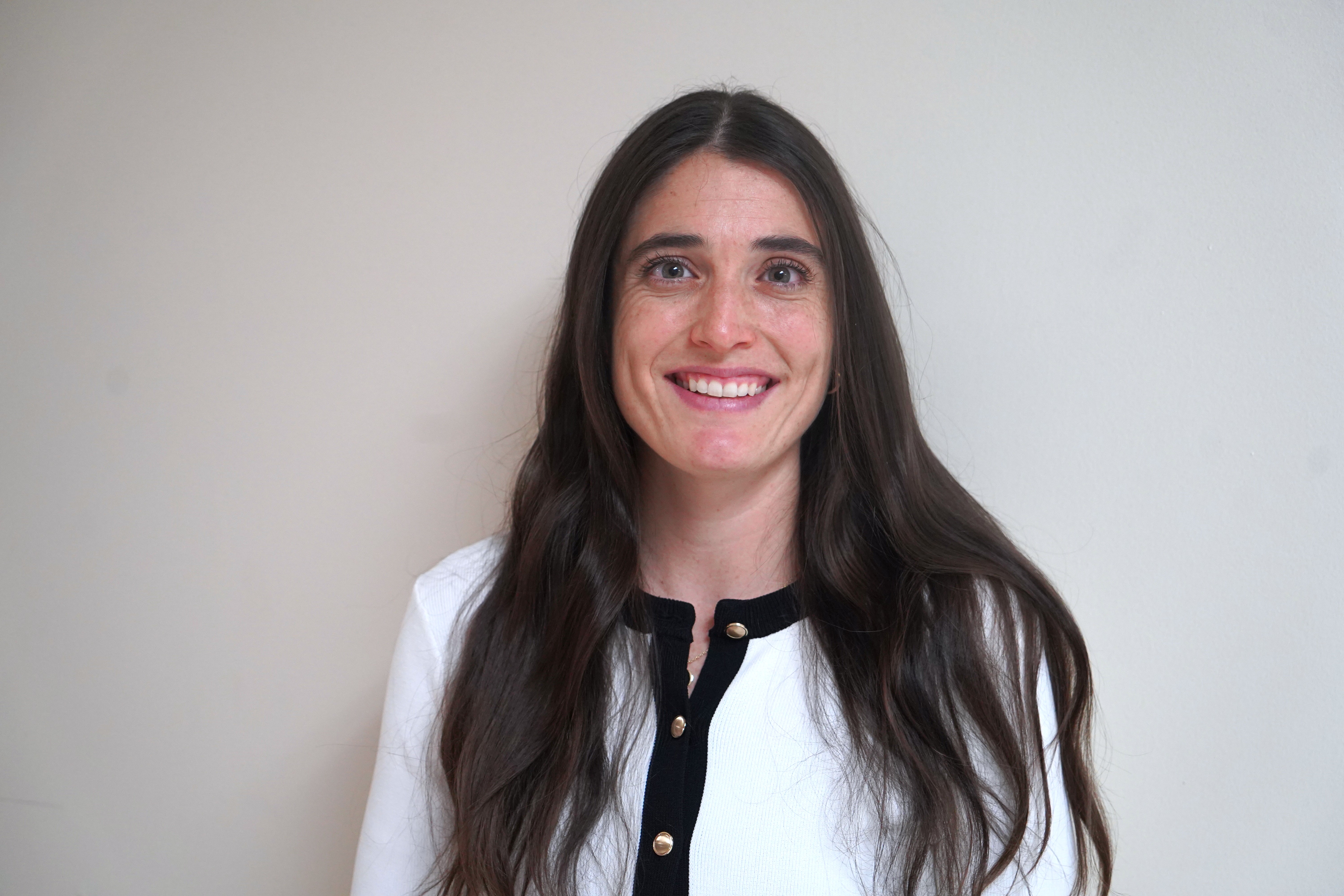 For Dr. Jessica Bigg, medicine has always been about people—their stories, their families, and the communities they call home. After completing an undergraduate degree, a master’s degree, and a PhD at the University of Guelph, she went on to pursue medical school in Ireland at the University of Limerick. She is now a Year 1 Family Medicine Resident at McMaster University’s rural Simcoe site and completes all off-service rotations and teaching days at Brantford General Hospital. For Dr. Jessica Bigg, medicine has always been about people—their stories, their families, and the communities they call home. After completing an undergraduate degree, a master’s degree, and a PhD at the University of Guelph, she went on to pursue medical school in Ireland at the University of Limerick. She is now a Year 1 Family Medicine Resident at McMaster University’s rural Simcoe site and completes all off-service rotations and teaching days at Brantford General Hospital.
“What initially drew me to medicine was the patient–physician relationship and the opportunity to form meaningful, lasting connections with individuals and their families,” she says. While her years in academia fostered a love of science and evidence-based problem solving, it was the human side of care that ultimately pulled her toward medicine. “From the beginning, I was drawn to rural family medicine,” she explains. “The breadth of practice, continuity of care, and longitudinal relationships inherent to family medicine are unmatched. In a rural setting, you can be a pillar in the lives of many people and the overall community.” Her days as a resident are structured and full. Clinical days typically run from early morning until late afternoon, while on-call shifts can extend into the night, managing inpatient concerns and new consultation. Like many residents, she identifies work–life balance as one of the most challenging aspects of training. After experiencing burnout during the transition from medical school to residency, she made self-care a priority. “I try to find a good balance between rest, work, and play. Evenings often involve cooking a meal, watching hockey, or unwinding with my husband or friends,” she shares. Adequate sleep, regular exercise, meal prep, gratitude journaling, and time with loved ones are now non-negotiables. Despite the challenges, the rewards are profound. “The most rewarding aspect of residency is by far the patient interaction and the relationships I have already built,” she says, particularly within her family medicine clinic. “Their kind words, their trust, and their desire to continue to follow up with me is very gratifying.” One standout highlight so far has been the rural family medicine conference held in Simcoe earlier this year. For her, it was more than an educational experience—it was personal. “I felt very proud and very honoured to be a part of the team and community that I am.” She credits much of her growth to the strong support system around her, particularly within the BCHS community. From administrative onboarding to ongoing IT and systems support, she notes that much of the “background stress” of residency has been thoughtfully addressed. Equally impactful has been the mentorship from preceptors. “The patience, kindness, willingness to teach, and ability to positively challenge me as a resident has been incredible,” she says. “My knowledge, skills, and confidence as a physician have grown exponentially.” Looking back—and looking forward—her advice is simple but powerful: slow down. “Enjoy every step along the way and always find time to prioritize yourself,” she says. Rather than constantly focusing on the next exam or milestone, she encourages residents to stay present. “Being a doctor is such a huge part of our identities for most of us, but it is not our entire beings,” she reflects. “It’s so important to still take care of these other parts.” She is often asked whether she plans to stay in the community, and she’s grateful to answer yes. “It is heartwarming and humbling to know that I am already establishing a positive impact in the community.” Committed to the people she serves and the community she calls home, Jessica continues to grow into her role as a rural family physician—building trust, showing up consistently, and learning alongside her patients every step of the way. |
| Dr. Hafsa Faiz |
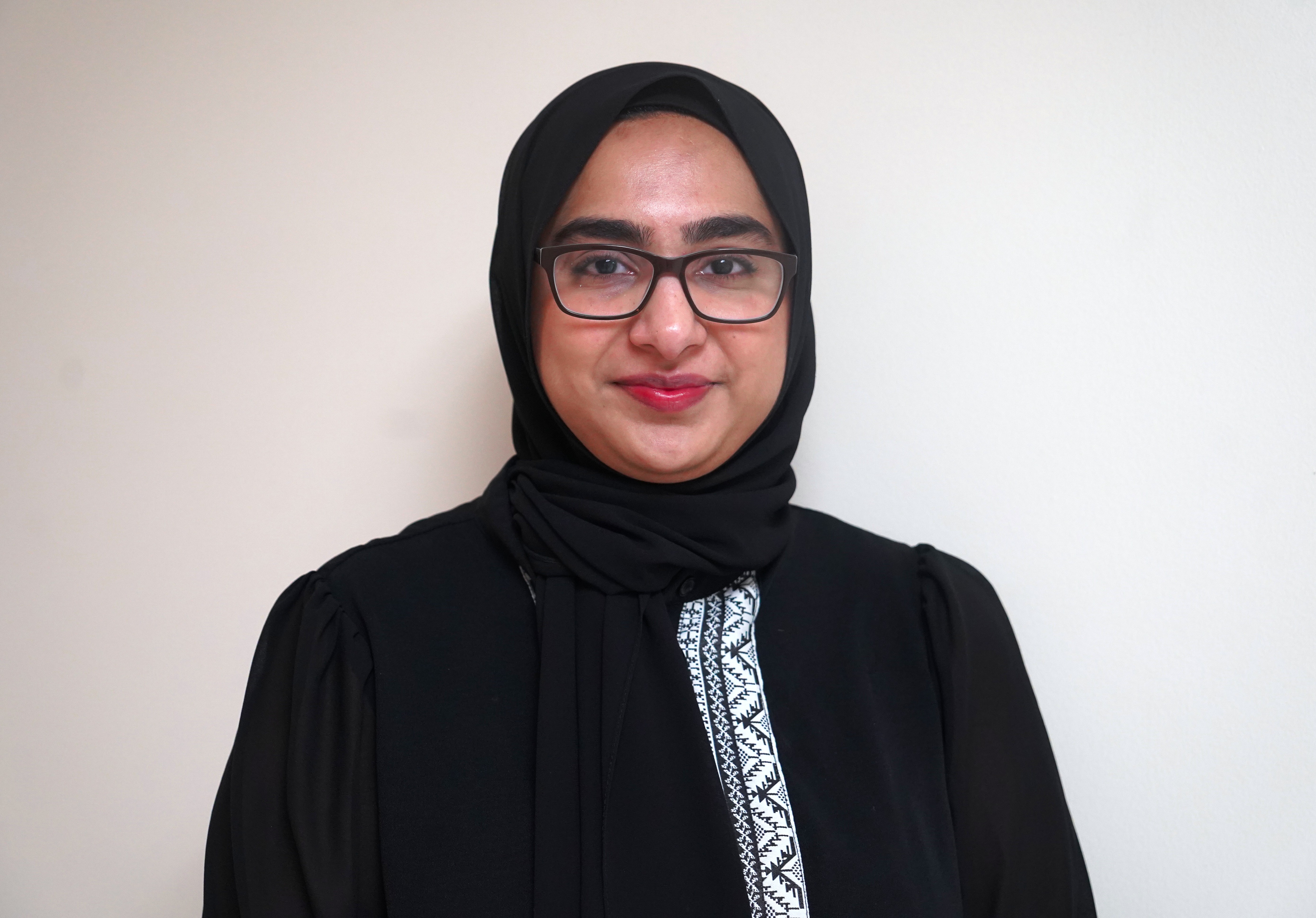
Born and raised in Pakistan, Dr. Hafsa Faiz brings a unique perspective to family medicine in Canada. “I completed my medical degree in Pakistan, and in 2020, during the pandemic, I moved to Canada, completed my licensing exams, and matched to McMaster’s Family Medicine program in Brantford,” she shares. Now a Postgraduate Year 2 and one of the Lead Residents at Brantford General Hospital, she is building a career grounded in community, continuity, and care. “I chose family medicine because I’ve seen how powerful good primary care can be. Early on, my own family doctor helped us navigate a system we didn’t yet understand,” she recalls. Later, working in acute care settings, she witnessed the difference a strong primary care foundation can make in patients’ lives. “Those experiences showed me the impact family physicians can have, and it’s the role I hope to play for others.” A day in Hafsa’s life is usually a blend of meaningful patient encounters, hands-on clinical experience, and ongoing learning. “It often starts in our community clinic or at the hospital, checking in with my preceptors about learning goals and expectations,” she shares. “No two days look the same, which is one of the things I love most about family medicine.” Hafsa has gained a deep appreciation for the breadth of family medicine. “A key highlight has been seeing just how broad and adaptable family medicine truly is,” she says. “From acute care to community-based work, every rotation offers a new lens on patient care and that range has shown me how uniquely positioned family physicians are to support patients at every stage of their journey.” Residency comes with its challenges, particularly balancing a demanding program with family life. “The biggest challenge has been balancing residency with raising a young family. It takes intention to manage both well, but it has taught me a lot about resilience and prioritizing what matters,” she reflects. Yet, the rewards of the work keep her inspired. “The most rewarding part has been the growth—every day brings new learning, and it’s a privilege to see how our care positively impacts patients.” Her residency experience has been enriched by the support of her organization. “Being part of BCHS has been instrumental in my growth as a Family Medicine resident. Our preceptors and administrative staff are genuinely invested in teaching and in helping us develop confidence and independence. I feel very fortunate to be training in a community that values and supports its learners so deeply,” she says. Even with the demands of residency, she prioritizes self-care. “I prioritize time with my family, socializing with friends, and staying connected to life outside of medicine. I try to be intentional about self-care, whether that’s rest, hobbies, or simply spending time with people who recharge me,” she says. This year, Hafsa’s especially proud of stepping into a leadership role while continuing to meet her clinical milestones. “I’m proud of the growth and resilience I’ve developed this year. Taking on the lead resident role has been a meaningful accomplishment,” she notes. Her advice for others entering residency is simple but powerful: “Residency is a learning journey, not a test. The hard moments are part of the learning, and each one contributes to the physician you’re becoming. Be open to feedback, stay curious, and trust that you’re growing more than you realize. Trust the process and trust yourself.” |
 Subscribe to News