
Surgical Specimens- Routine
| Test Name | Pathology - Routine |
| Alternate Name(s) | Surgical or Histology Specimens |
| Laboratory Module | Pathology |
| Ordering Mnemonic | |
| Specimen Type |
Excised tissues such as Appendix, Bladder, Bone, Breast biopsy, Cervix, Colon, Cyst, Soft tissue, Endometrium, Fallopian tube, Fascia, Foreskin, Gallbladder, Hemorrhoids, Hernia sac, Hydrocele, Kidney, Lesions, Lipoma, Liver, Lung, Ovary, Pilonidal Sinus, Polyps, Prostate, Salivary Gland, Skin, Spermatocele, Spleen, Temporal arteries, Testis, Thyroid, Tonsil/Adenoid, Uterus, Varicose Vein, Vas deferens |
| Collection Container | Collect in most appropriate sized pre-filled formalin containers |
| Container Information |
 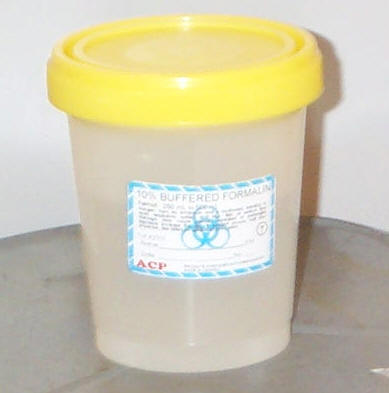 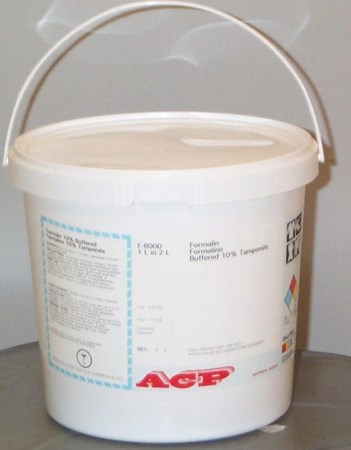 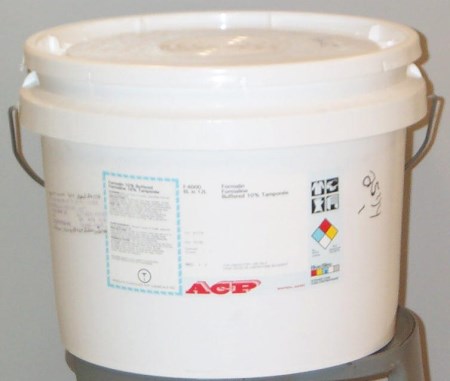
All of these containers are pre-filled with 10% Neutral Buffered Formalin Please select the most appropriate size of container for the specimen so that there is a ratio of tissue: formalin (1:15), this is key for proper fixation and subsequent testing. Ensure the container lids are securely tightened to eliminate leakage. Containers may be obtained through the stores department. |
| Collection Information | I.1. All specimens must be accompanied by a completed Surgical Pathology Requisition (PATH_0607_0103) which can be ordered through RR.Donnely (e) Collection time (iv) DOB (Routine OR specimens are held in the utility room located on Lower Level 1 for pick up by Pathology staff) |
| Test Schedule |
Monday to Friday excluding stat holidays |
| Routine Turnaround Time | 1 week |
| Stat Turnaround Time | 2 business days |
| Reference Interval | |
| Critical Values | |
| Lab Process Notes | Triage will deliver specimens to the Pathology Department ASAP between 0600 to 1600 hrs. After hours - The specimens will be received, time stamped and held in the triage department until the following business day |
| Storage and Transport |
Routine specimens should arrive to the laboratory in formalin. Specimens in formalin may be stored at room temperature. If specimens are sent fresh, they must be delivered to the laboratory ASAP. Once confirmed that no special handling is required, formalin should be immediately added to the specimen to prevent specimen degradation. If delays are anticipated, place the specimen into the refrigerator until the formalin can be added. |
| Test Referred To | On site BGH Laboratory |
Contact Us
The Brantford General
200 Terrace Hill Street
Brantford, ON
N3R 1G9
519-751-5544
The Willett, Paris
238 Grand River St. North
Paris, ON
N3L 2N7
519-442-2251
Support the BCHS Foundation
The BCHS Foundation is committed to raising critical funds to support the top priority needs of the Brantford General Hospital and the Willett Urgent Care Centre.