Stool PCR and Culture

Test Name

Stool PCR and Culture

Alternate Name(s)
  • Enteric bacterial PCR
  • Stool culture
  • Campylobacter culture
  • Salmonella culture
  • Shigella culture
  • Yersinia enterocolitica culture
  • E.coli O157 culture
Laboratory Module

Microbiology

Ordering Mnemonic

STOOL


Specimen Type

Stool

Collection Container

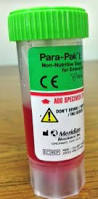
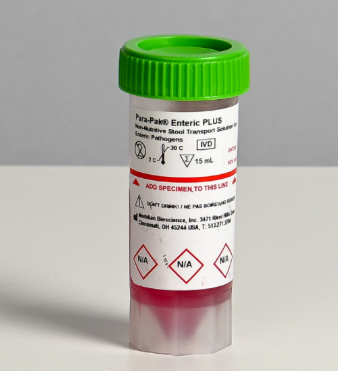
Para-Pak Enteric Plus - Enteric Plus Transport Media (ETM) 

Container Information


Collection Information
  • Avoid the use of mineral oil, bismuth, Milk of Magnesia, antacids, compounds containing Kaolin or barium prior to collection. Avoid contamination with urine.

    Have patient pass stool onto a clean, dry bedpan. Transfer a portion of stool containing mucous, blood or pus into enteric transport media. Do NOT use toilet paper to transfer stool.
  • Select areas of stool that appear blood-stained, purulent or watery. Transfer this to enteric transport media (labeled Enteric Plus). Thoroughly mix 5 mL of stool with the 20 mL of fixative (1:4 ratio).
  • A thorough patient history, including symptoms, time of onset, age, travel history, food consumption and antimicrobial treatment is necessary to determine which pathogens to look for. The Lab routinely screens for Campylobacter jejuni, E.coli 0157:H7, Salmonella, Shiga toxin producing Escherichia coli O157, Shigella and Yersinia enterocolitica.
  • Only one sample per day is permitted, all others will be rejected unless approval from the microbiology department is arranged.
  • Inpatients (in hospital 72 hours or more) will not be processed.
Test Schedule

Sunday, Tuesday and Thursday

Routine Turnaround Time 24 hours -72 hours
Stat Turnaround Time 24 hours - 72 hours
Critical Values
  • Preliminary result will be available to Health care provider upon Enteric Pathogen  gene detection by PCR assay.
  • As growth is detected and identified the information is made available to the health care provider.
Lab Process Notes
  • Specimen must be received within 48hours of collection.
  • Detection of Enteric Pathogen by Polymerase Chain Reaction (PCR) is more sensitive than by stool culture method. This molecular screen enables accurate reporting of negative specimens. PCR positive results will be confirmed by Stool Culture.
  • PCR positive result but Stool culture negative result may represent current infection, past infection, colonization or false positive PCR and will require clinical correlation.
Storage and Transport

Specimen should be transported to the laboratory ASAP after collection in biohazard bag.

Specimen should be stored at -20 degree C after receipt in the laboratory.

Test Referred To

On site, BGH laboratory

Support the BCHS Foundation

The BCHS Foundation is committed to raising critical funds to support the top priority needs of the Brantford General Hospital and the Willett Urgent Care Centre.