
Pericardial Effusion for Cytology
| Test Name | Pericardial Effusion for Cytology |
| Alternate Name(s) | |
| Laboratory Module | Cytology |
| Ordering Mnemonic |
Category: Cyto Mneumonic- FLDC |
| Specimen Type |
Pericardial Fluid |
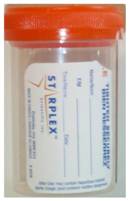
| Collection Container | Collect in a sterile container or vacutainer bottle |
| Container Information |
 |
| Collection Information |
I.1.All specimens must be accompanied by a completed manual or Meditech generated cyto-pathology non-gynecological requisition. All mandatory fields must be satisfied in order to complete the request. In the case of computer downtime use the standard cytopathology non-gynecological requisition. (ii) hospital unique number (iii) date of birth (iv) Ontario Health Insurance Number with version code. (b) Submitting area identifiers: Hospital site (BGH or The Willett) and the submitting department (Emergency, Ambulatory Care etc.). (c) Submitting physician's name. (d) Date of specimen collection (e) Pre- and post-operative presumptive diagnosis. (f) A brief clinical history, relevant pathological and radiological findings. (g) Specimen information (i) specimen type/source (ii) specimen site I.2. If received, the specimen container must be labeled. Addressograph labels are preferred, otherwise the following information must be provided, clearly written in ink: (a) Patient identifiers - (i) patient's full name (ii) hospital unique number (iii) and at least one other unique additional identifier (ie. date of birth, OHIN). (b) Date of specimen collection. (c) Specimen type and site, as it is written on the Cytology Requisition form. This information must be recorded on the side of the specimen container and not the lid. If a specimen is known or suspected to contain unique or extreme biohazard (e.g. CJD) the container shall be so marked. I.3.Place labeled slides with the patients name and specimen type, in a cardboard slide holder and drying and attach an addressograph label on the outside of the holder. I.4. Place specimen containers in a biohazard bag (if applicable). The requisition should be placed in the outer pouch of the biohazard bag. |
| Test Schedule |
Monday to Friday |
| Routine Turnaround Time | 1 week |
| Stat Turnaround Time | 2 days |
| Reference Interval | |
| Critical Values | |
| Lab Process Notes |
Small Volume specimen- < 40ml. Add Cytolyt fluid to specimen 41-90 ml. Half of the specimen is combined with equal amounts of cytolyt. The other half remains fresh for cytology block preparation. >90ml.Pouroff into 2 labelled 90ml sterile containers and let settle for two hours. For the first bottle: Gently pour off and discard top 40 ml to retain 40ml of cellular rich fluid. Top the bottle with cytolyt solution. The second bottle is to remain fresh for cellblock preparation. The specimen description should be recorded including, colour, quantity and any features worth noting. |
| Storage and Transport | Specimens should be stored in the refrigerator |
| Test Referred To | Technical services referred offsite. Final diagnosis and reporting performed at BCHS. |
Contact Us
The Brantford General
200 Terrace Hill Street
Brantford, ON
N3R 1G9
519-751-5544
The Willett, Paris
238 Grand River St. North
Paris, ON
N3L 2N7
519-442-2251
Support the BCHS Foundation
The BCHS Foundation is committed to raising critical funds to support the top priority needs of the Brantford General Hospital and the Willett Urgent Care Centre.